
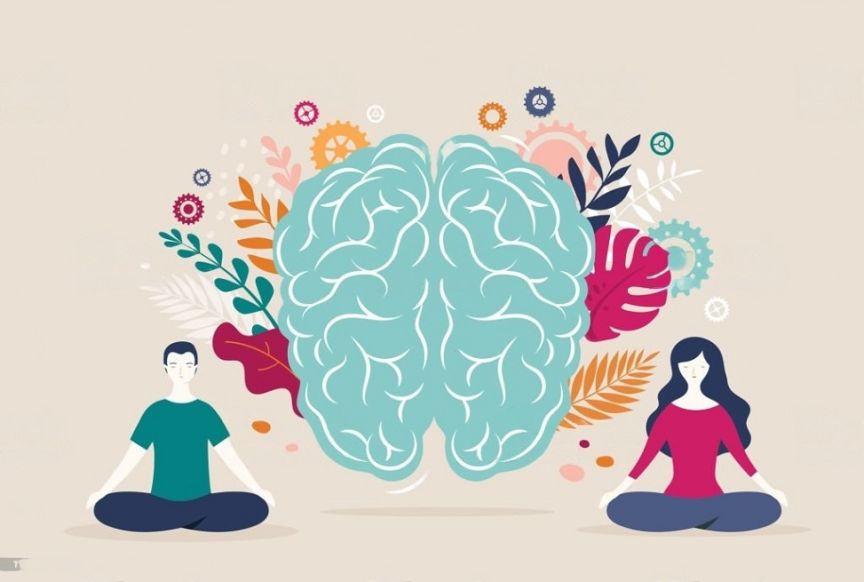
Mental Health and Well-being: A Journey, Not a Destination
Mental health and well-being are often used interchangeably, but there’s a subtle difference. Mental health refers to the state of your mind – how you think, feel, and act. Well-being encompasses your mental health, in addition to your emotional, social, and physical health. It’s about feeling good and functioning effectively in life.
Why is it important?
Think of your mind and body as a connected system. Poor mental health can impact your physical health, making you more susceptible to illness. It can also affect your relationships, work, and overall enjoyment of life. On the other hand,good mental well-being allows you to:
- Manage stress effectivelyCope with challengesBuild strong relationshipsThrive in your careerLive a fulfilling life
Taking care of your mental well-being is just as important as taking care of your physical health.
Here are some ways to boost your mental well-being:
- Connect with others: Social connection is vital. Spend time with loved ones, join a club, or volunteer.Stay active: Exercise releases endorphins, natural mood elevators. Aim for 30 minutes of moderate-intensity exercise most days.Eat a balanced diet: Nourish your body with nutritious foods to support your brain function and mood.Prioritize sleep: Aim for 7-8 hours of quality sleep each night.Practice relaxation techniques: Techniques like yoga, meditation, and deep breathing can help manage stress and improve your mood.Challenge negative thoughts: Our thoughts can influence our emotions. Practice reframing negative thoughts into more positive ones.Seek professional help: If you’re struggling, don’t hesitate to talk to a therapist. They can provide support and guidance.
Remember: Mental well-being is a journey, not a destination. There will be ups and downs. But by incorporating these practices into your life and seeking help when needed, you can cultivate a healthier and happier mindset.